The History of Airsoft: From Japan to the UK
Airsoft is now played by hundreds of thousands of people around the world, from small woodland skirmishes to huge milsim weekends. But it started as something much smaller: a hobby born in Japan, where real firearms were almost impossible to own. Here is how airsoft grew from collectors’ replicas into a global sport.
Japan in the 1970s: where it all began
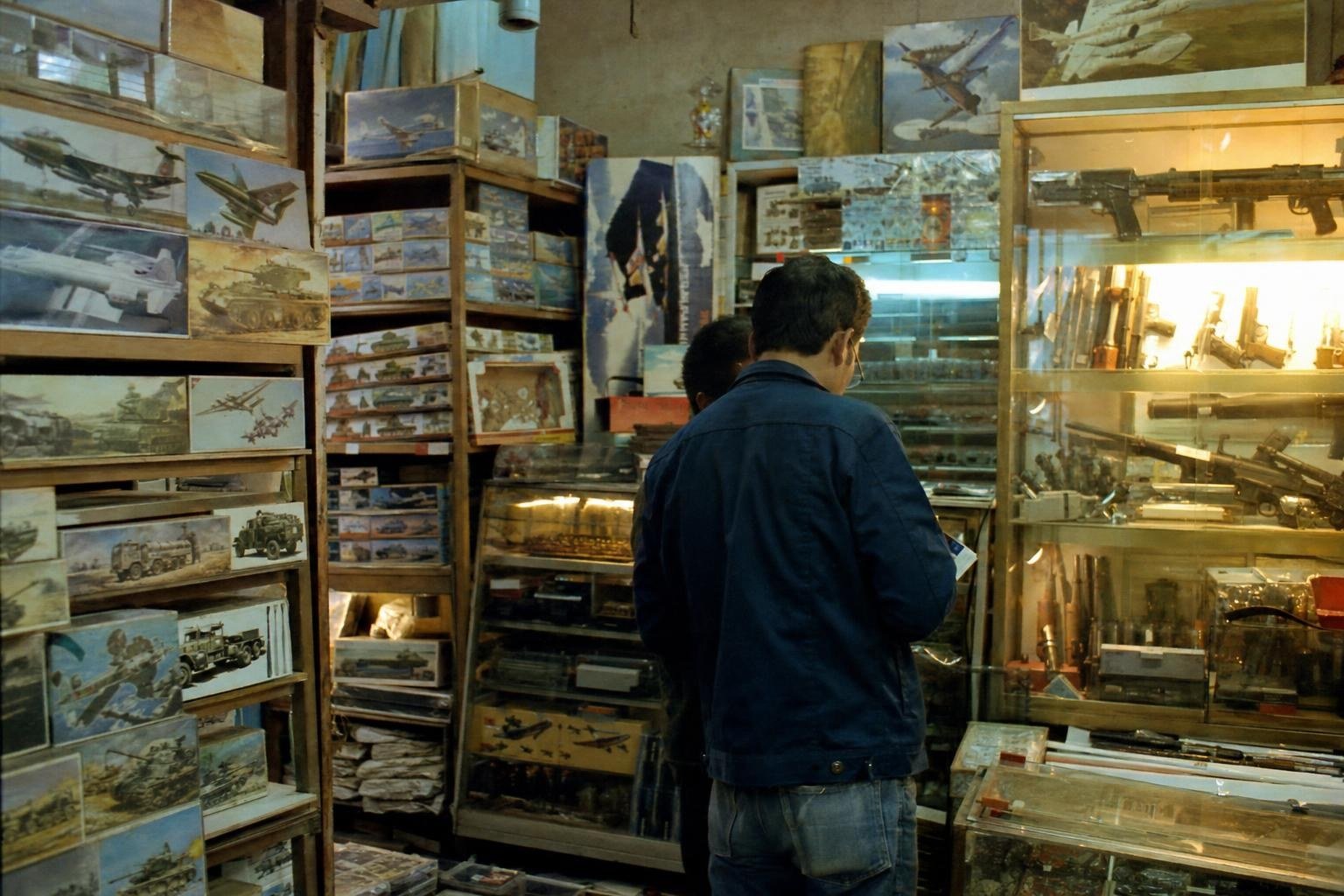
Japan has some of the strictest firearms laws in the world, and private ownership of real guns is extremely limited. That created a strong market among enthusiasts and collectors for realistic replicas instead.
During the 1970s, Japanese manufacturers began producing replicas that could fire small plastic pellets using springs or gas. These were not designed for games at first, but for target shooting and collecting. They were made to be safe enough to use as a hobby while capturing the look and feel of the real thing. The name “airsoft” refers to these soft, low-powered pellets fired by air.
Spring and gas: the early years
The first airsoft guns were mostly spring-powered, cocked before each shot. Gas-powered guns followed, initially using pressurised gases and later the propane-based “green gas” familiar today. Gas allowed semi-automatic fire and, in time, blowback actions that mimicked recoil.
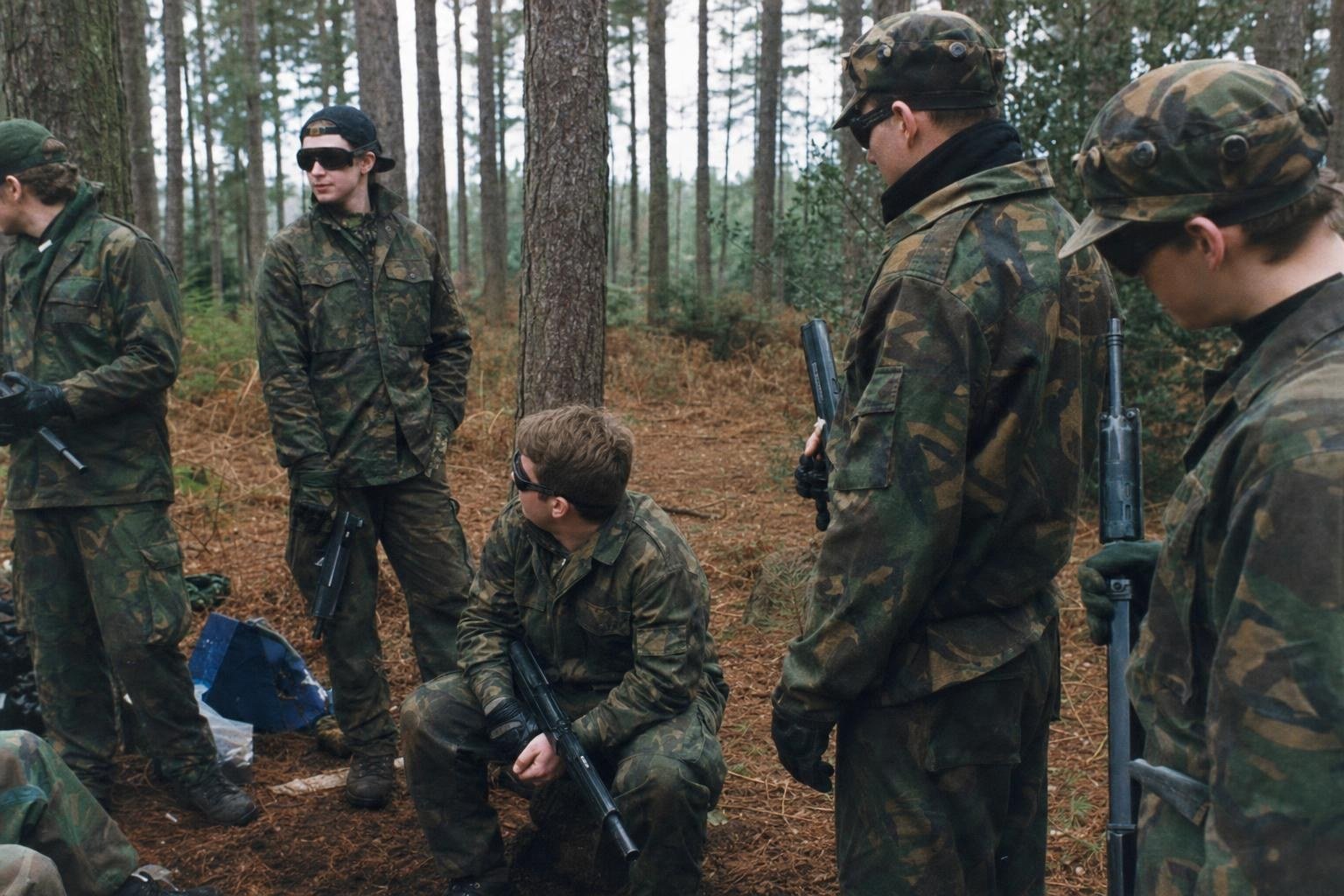
Through the late 1970s and 1980s, groups of enthusiasts began using these replicas to play team games, much like the early days of paintball, which was taking off in the United States around the same time.
The AEG revolution
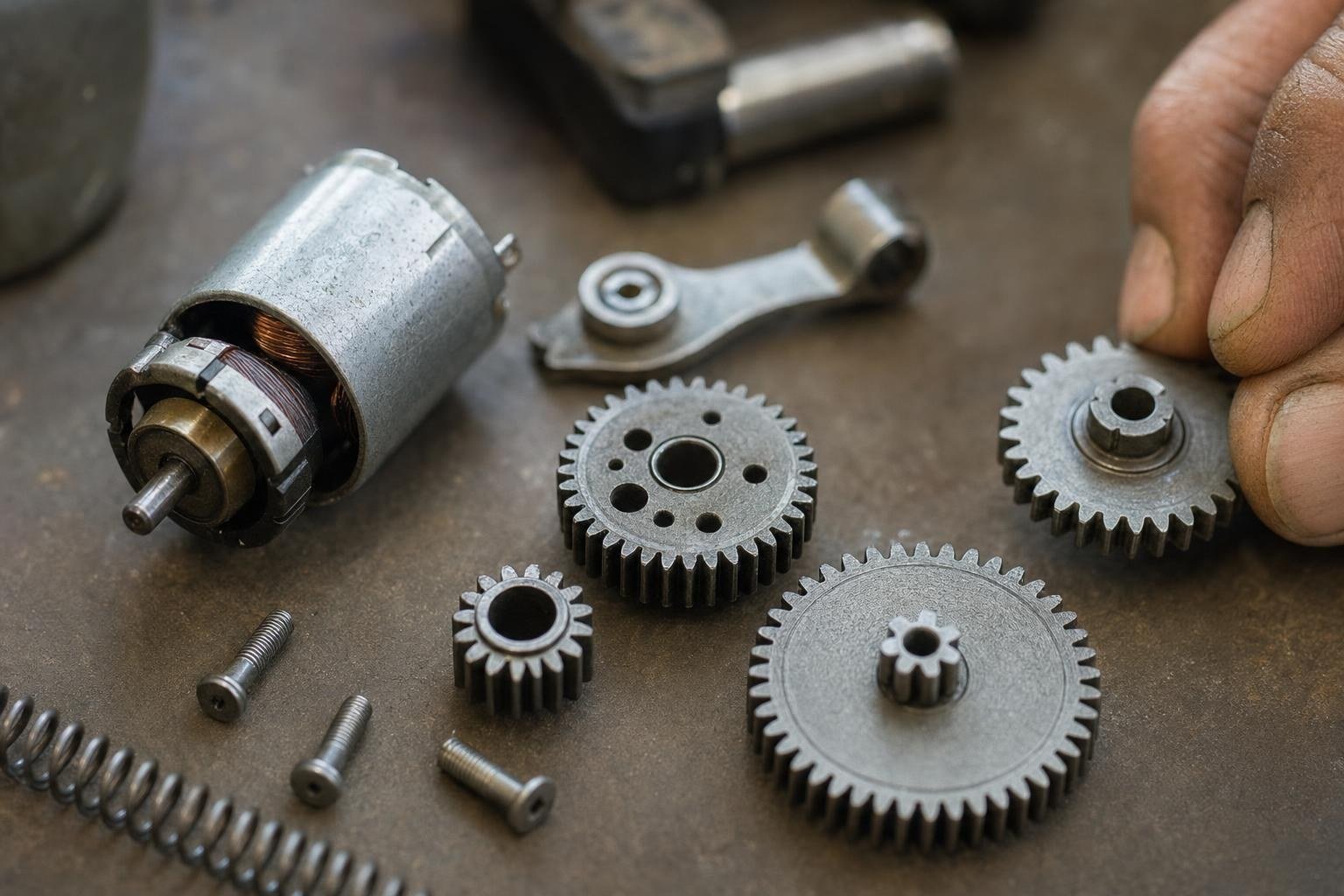
The biggest leap came in the early 1990s, when Japanese manufacturer Tokyo Marui released the first commercially successful automatic electric gun. Its battery-powered motor and gearbox could fire semi or fully automatic, did not depend on temperature like gas guns, and was cheap to run.
The AEG made airsoft practical for regular game play. Its internal gearbox design became an industry standard, and many manufacturers built compatible parts. Even today, most AEGs share design features with those early models, which is why upgrade parts are often interchangeable. Read more about how AEGs compare with other types in AEG vs gas vs spring vs HPA.
Spreading across the world
From Japan, airsoft spread through East Asia, with Taiwan, Hong Kong and later mainland China becoming major manufacturing centres. That competition brought prices down sharply, making airsoft accessible to far more people.
Through the 1990s and 2000s, the sport grew rapidly across Europe, North America, Australia and beyond. Each country developed its own rules and culture, from the strict regulations in some countries to large milsim scenes in others. The internet played a huge role, as forums connected players, shared game reports and made it easy to buy kit from overseas.
Airsoft in the UK
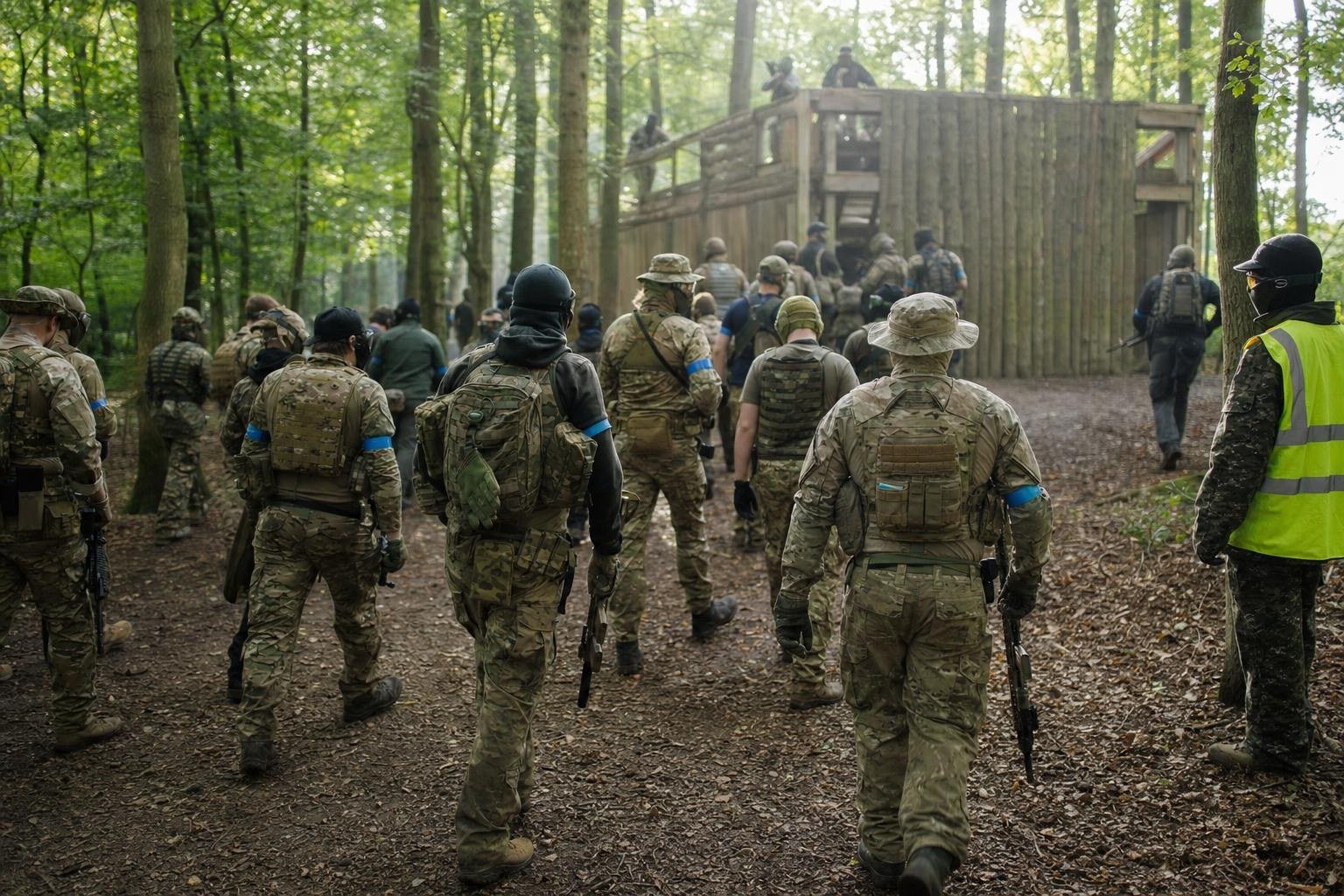
Airsoft took off in the UK during the late 1990s and early 2000s, as dedicated sites opened in woodland and disused industrial buildings. The country’s strict firearms laws, much like Japan’s, made airsoft a popular way for enthusiasts to enjoy realistic replicas safely and legally.
The VCRA and UKARA
A turning point came with the Violent Crime Reduction Act 2006, which restricted the sale of realistic imitation firearms (RIFs). Airsoft was nearly caught in the restrictions, but players, sites and retailers campaigned successfully for a specific defence covering airsoft skirmishing.
To make that defence workable, retailers created the UK Airsoft Retailers Association (UKARA) database, launched around 2007. Players who attend regular games at registered sites can be added, allowing them to buy RIFs. At the same time, the two-tone rule allowed anyone 18 or over to buy brightly coloured imitations. Our guide to UK airsoft law explains how it works today.
Later, the Policing and Crime Act 2017 defined airsoft guns in law for the first time, with power limits that separate them from air weapons.
The modern sport
Today, UK airsoft is a mature sport with hundreds of sites, ranging from small woodland venues to huge purpose-built CQB complexes and multi-day milsim events. Modern players can choose from AEGs with electronic triggers, high-pressure air (HPA) systems, realistic gas blowback rifles and a huge range of tactical gear inspired by real military units.
| Era | Key developments |
|---|---|
| 1970s | Spring and gas replicas emerge in Japan for collectors and target shooting |
| 1980s | Team games begin; gas guns and blowback develop |
| Early 1990s | The first commercially successful AEG transforms the hobby |
| 1990s to 2000s | Manufacturing spreads to Taiwan, Hong Kong and China; the sport goes global |
| 2006 to 2007 | UK VCRA restricts RIF sales; the skirmisher defence and UKARA follow |
| 2010s | Mid-caps, MOSFETs, HPA and milsim culture grow rapidly |
| 2017 | Policing and Crime Act defines airsoft guns and power limits in UK law |
| Today | Electronic triggers, advanced HPA engines and a huge site network |
Want to be part of it? Our sister site OP-TAC runs regular airsoft events, and our first game checklist has everything you need to get started.
Be part of airsoft’s next chapter
Everything you need to get into the sport, from protection to tactical gear.
Shop tactical gearMore guidesFrequently asked questions
Where did airsoft originate?
Japan, in the 1970s. Strict firearms laws meant enthusiasts turned to realistic replicas that fired soft plastic pellets.
Who invented the AEG?
Japanese manufacturer Tokyo Marui released the first commercially successful automatic electric gun in the early 1990s, and its design became an industry standard.
When did airsoft become popular in the UK?
Airsoft grew rapidly in the UK during the late 1990s and 2000s as dedicated sites opened across the country.
When was UKARA created?
UKARA was set up around 2007 by UK retailers, following the Violent Crime Reduction Act 2006, to verify the airsoft skirmisher defence.
Why is it called airsoft?
The name refers to the soft, low-powered plastic pellets fired by air (or gas), as opposed to the metal pellets of air rifles.